Typical mistakes when fishing in Norway
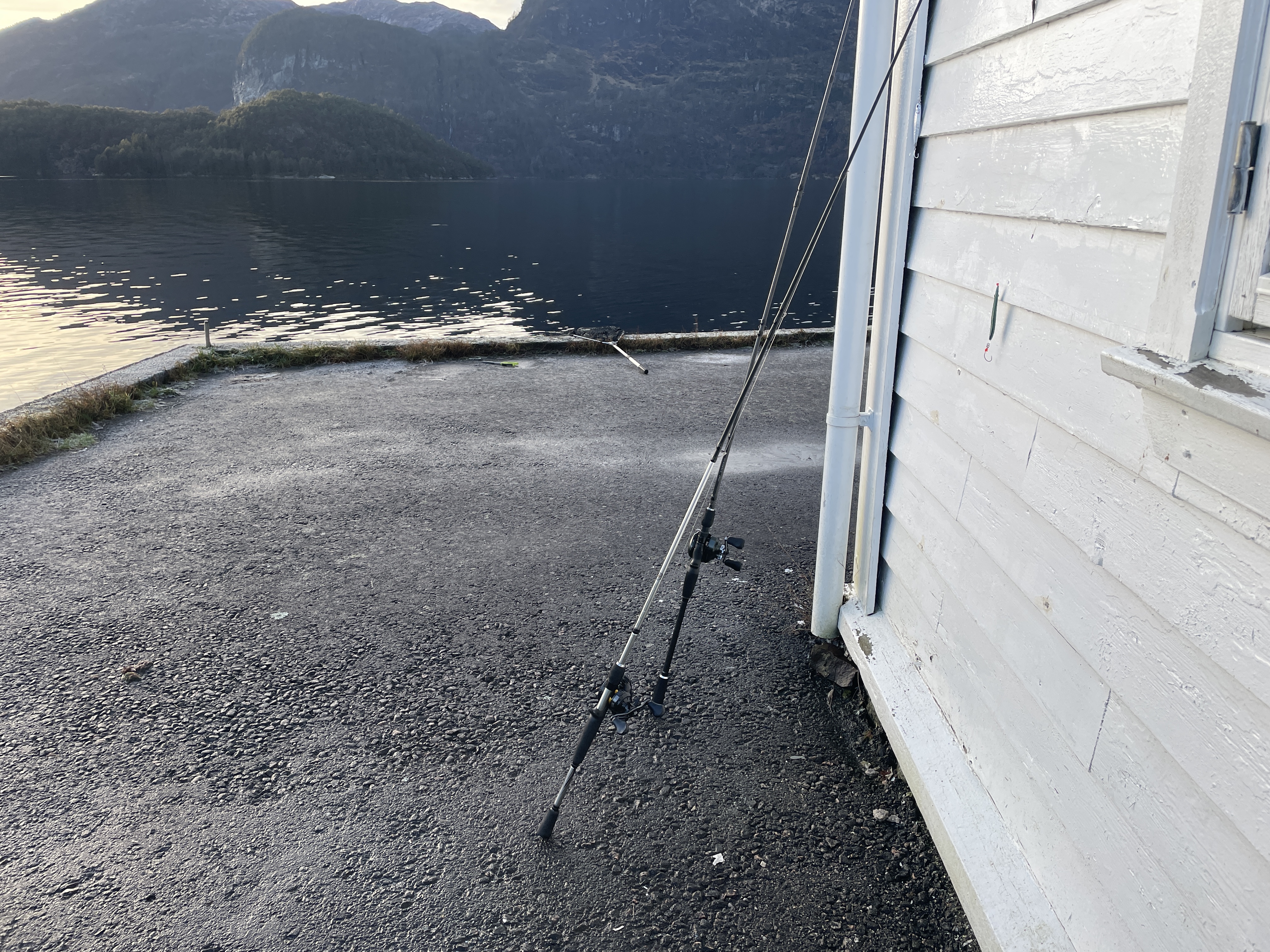
One of the most common mistakes when fishing in Norway is bringing excessively heavy equipment. It is not unusual to see anglers using rods, reels and lines that would be suitable for catching a small shark. When fishing from the shore, however, fish weighing more than three kilograms are the exception rather than the rule. Of course, there are exceptions, but they should not define your overall tackle choice. A well-balanced setup is far more effective and enjoyable. A main line with around 15 kg breaking strain, a fluorocarbon leader of about 13 kg, a rod with a casting weight between 20 and 60 grams, and a reliable reel with a properly adjusted drag will cover most shore fishing situations in Norway very well.
Another frequently underestimated issue is footwear. Shorelines in Norway are often wet, slippery and covered with algae or seaweed. Rocks can be extremely slick, even in calm weather. Shoes without proper grip can quickly become a safety hazard. Depending on the spot, waterproof footwear can also be a sensible choice. A small but important tip: if you fall into the water while carrying your phone in your pocket, it will most likely be destroyed. It is better to leave your phone in the car or in a bag on shore rather than carrying it on your body.
Using no landing net or one that is too short is another typical mistake. High shorelines are common in Norway, with height differences of one to two meters or even more. Without a sufficiently long landing net, landing a fish can become very difficult or impossible. Many fish are lost at the very last moment because they simply cannot be reached safely. A sturdy, extendable landing net should therefore be considered essential equipment for shore fishing.
Clothing is another factor that is often misjudged. Weather conditions in Norway can change rapidly, with rain, wind and sudden drops in temperature occurring within a short period of time. Anglers who only prepare for sunshine often find themselves forced to end their session early. Waterproof and windproof clothing, combined with a sensible layering system, helps maintain comfort, focus and endurance throughout the day.
Finally, many anglers head out without knowing their fishing spots in advance. While Norway appears open and accessible, reaching the water is not always straightforward. Large sections of shoreline are built up, privately owned or simply inaccessible. Setting off without preparation often leads to fences, warning signs or unfishable areas. Knowing in advance where fishing is allowed and practical is always an advantage. In Norway, good fishing spots are rarely found purely by chance.